Master Key Systems
Running a multi-tenant office building on King Street West, a warehouse complex near the Port Lands, or a mid-size retail operation across several Toronto neighbourhoods means access control isn't a single decision — it's an architecture. A well-designed keying hierarchy lets a property manager open every door on-site while restricting a cleaning crew to common areas only, all without duplicating dozens of individual keys or rewiring a single electronic panel. Toronto Iron Key Locksmith designs and installs these systems from the ground up, working directly at your location so there's zero lag between consultation and implementation.
Open 24 hours, 7 days a week · Licensed, bonded & insured
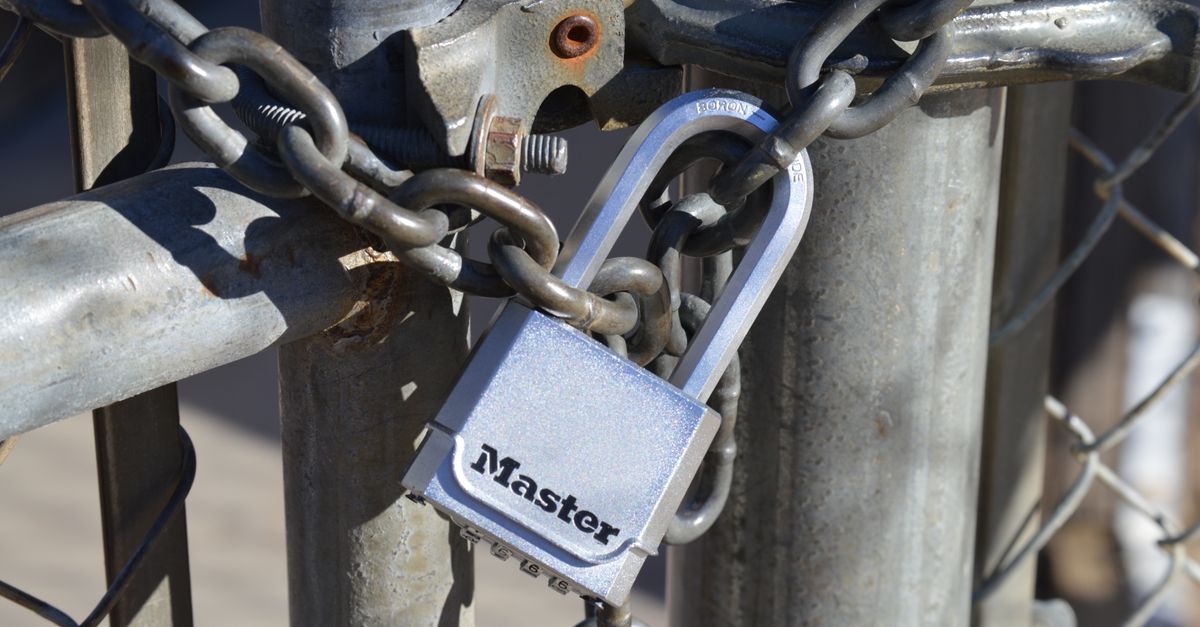
“Our mobile commercial locksmith team — insured, trained, and equipped — arrives at your facility anywhere across the Greater Toronto Area, from the Financial District to Scarborough Town Centre, and maps your access requirements before a single cylinder is touched. We work with high-security mortise lock hardware, traditional cylindrical locks, and hybrid setups, confirming an exact up-front price before any work begins so there are no billing surprises at the end of the project.
What we do
Available 24/7
Day, night, weekends and holidays — a real local locksmith answers and rolls a fully-stocked van.
Fast local response
Based in Toronto, we reach the Toronto area in well under an hour.
Insured & background-checked
Vetted technicians, up-front pricing, and no surprise add-ons when we arrive.
Damage-free entry
We pick and bypass locks the right way, so most lockouts are solved without drilling anything.
How Master Key Systems Work: Levels, Hierarchies, and Real-World Business Logic
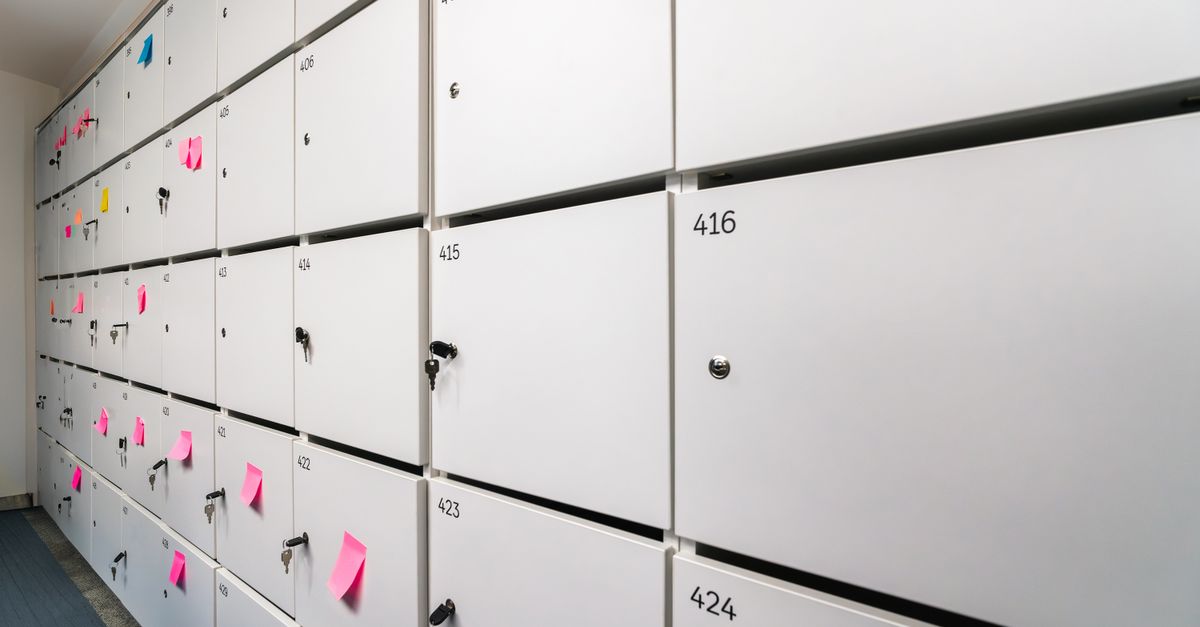
A keying hierarchy is built around a simple principle: a key at a higher level of the pyramid can open every lock below it, while a key at a lower level operates only the specific doors it is assigned to. In practice, a Toronto commercial property might have a Grand Master Key held only by the building owner or head of security, one or more Master Keys issued to department managers or floor supervisors, Change Keys (also called individual or sub-keys) given to individual staff members, and Construction Keys that are disabled once a project is complete. Each tier is mechanically coded so that no amount of key duplication at a lower level accidentally grants access to a higher-tier door — this is achieved through precise pin-stack combinations inside each cylinder.
The real-world design challenge is mapping those tiers to how your business actually operates. A four-storey office in the Entertainment District may need a grand master for ownership, floor-level masters for IT, HR, and finance, and individual keys for each desk-area server room. A logistics warehouse near Etobicoke might only need two tiers — a master for the site supervisor and change keys for dock staff. Our commercial locksmith team conducts an on-site access audit before any hardware recommendation is made, documenting every door, its function, and the personnel who legitimately need access to it. That audit becomes the blueprint for every cylinder we cut and every key we stamp.
Mortise Lock Installations: The Right Hardware Anchor for a Keyed Hierarchy
The mortise lock is the hardware foundation most professional multi-level access systems are built on, and for good reason. Unlike a standard door knob lock or a cylindrical deadbolt, a mortise lock body is recessed into a rectangular pocket cut into the door edge, giving it a much larger footprint of metal-to-door-frame contact. That mechanical engagement makes it significantly harder to rack, shim, or force without causing conspicuous structural damage — an important property when you are keying a system where dozens of staff carry change keys. Brands like Schlage and other commercial-grade manufacturers produce mortise cylinders specifically designed for masterkeying, with deep pin stacks that allow finer key-bitting increments and reduce the risk of cross-keying errors.
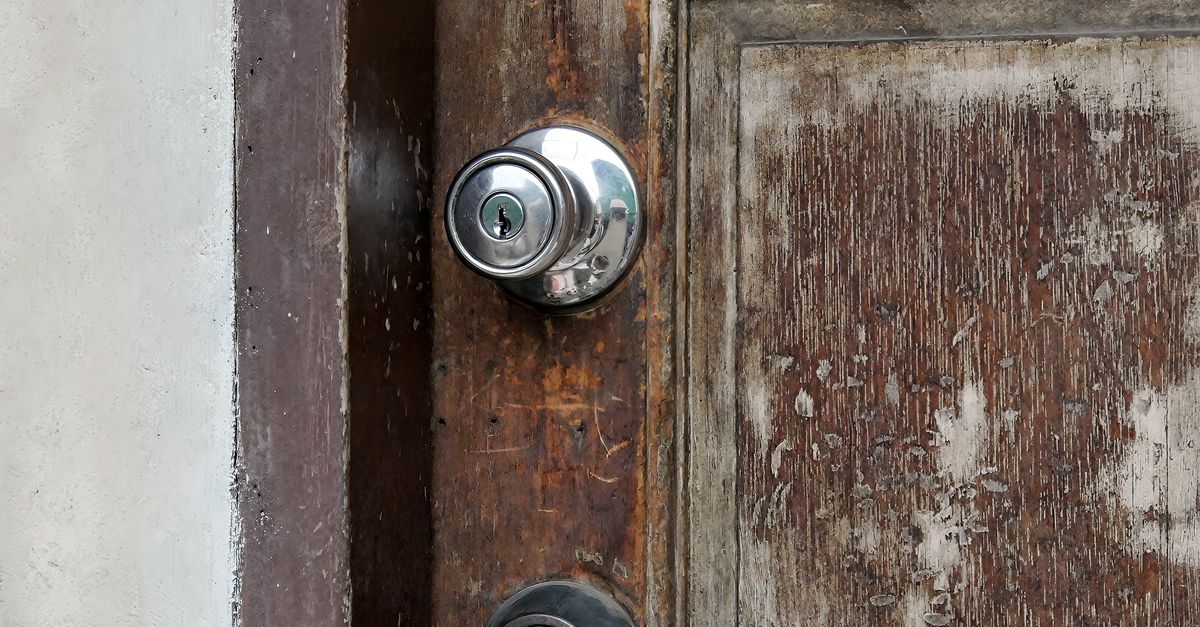
Our technicians install and re-key mortise lock hardware using damage-free fitting techniques wherever door construction allows. On heritage commercial buildings — a converted Victorian storefront on Queen Street West, for example — we take extra care to match the mortise pocket dimensions to the existing door thickness before cutting, preserving the door's integrity. If your current doors are fitted with door knob lock hardware or older cylindrical deadbolts that cannot be masterkeyed reliably, we will advise on upgrading only the cylinders that need it rather than proposing a full hardware replacement across the board. Every recommendation is backed by a written, itemised quote you approve before we pick up a drill.
Designing a Commercial Locksmith Access Plan for Toronto Businesses
Toronto businesses face a specific set of access-control pressures: high staff turnover in hospitality and retail, multi-tenancy in older office conversions downtown, seasonal contractor access in industrial facilities near the DVP, and strict insurance requirements for warehouses and professional offices alike. A keying plan that ignores these factors will either over-restrict employees — causing daily bottlenecks and workarounds — or under-restrict access and create genuine security gaps. Our commercial locksmith process addresses this by separating the design phase from the installation phase. You receive a written access matrix showing exactly which key operates which door before a single cylinder is drilled.
Key control is also part of the design conversation. We advise on restricted keyways — cylinders whose keys cannot be duplicated at a corner hardware store — so that when an employee leaves, you know with certainty no unauthorised copies exist. We also document the number of keys cut at each level and provide a key log as part of project handover. For businesses that later need emergency locksmith response — a lost grand master key, a compromised cylinder after a break-in attempt, or a late-night lockout at a Midtown office — calling (437) 476-8426 connects you immediately with our 24/7 dispatch. We answer every hour of every day, including holidays, because access emergencies do not keep business hours.

Maintenance, Re-Keying, and Emergency Locksmith Support After Installation
A keying hierarchy is not a set-and-forget system. Staff changes, tenant turnover, contractor completions, and security incidents all create moments when the system needs to be updated. Re-keying a cylinder — changing its internal pin configuration so old keys no longer work — is almost always faster and more cost-effective than replacing the entire lock body, and it is one of the most common service calls our team handles for existing commercial clients. Because we are a fully mobile operation, a technician can arrive at your Etobicoke warehouse, your North York medical office, or your downtown retail space without you having to transport hardware anywhere.
When a system is compromised — a key goes missing, a terminated employee does not return their change key, or a door knob lock shows signs of tampering — our emergency locksmith response is available around the clock. We assess the affected cylinders, re-key or replace only what is necessary, and update your key log so the access matrix stays accurate. For businesses enrolled in a planned maintenance schedule, we also perform annual pin-stack inspections to catch worn cylinders before they fail during a critical access moment. Reach out any time at (437) 476-8426 — our 24/7 line is answered by our own team, not a call centre.
Services Included in Our Commercial Keying and Access Work
Toronto Iron Key Locksmith provides a comprehensive range of commercial access services under one mobile operation: (1) master key system design and consultation, (2) grand master and master key hierarchy planning, (3) mortise lock supply and installation, (4) mortise lock cylinder re-keying, (5) restricted keyway system setup, (6) door knob lock re-keying and replacement, (7) cylindrical deadbolt masterkeying, (8) key control documentation and key log creation, (9) construction key removal and system changeover, (10) emergency locksmith response for commercial properties, (11) after-hours lockout resolution for offices and retail, (12) lock hardware upgrades from residential- to commercial-grade, (13) exit device (push bar) lock integration into keyed hierarchies, (14) high-security cylinder upgrades (Schlage Primus and equivalent-grade options), (15) multi-tenant suite re-keying for office buildings, (16) warehouse and industrial facility access planning, (17) retail store lock-up and keying standardisation, (18) on-site lock-picking damage assessment and cylinder replacement after break-in, (19) storeroom function lock installation, (20) office passage and privacy lock configuration, (21) cabinet and filing room lock installation, (22) padlock masterkeying for gated or fenced commercial sites, (23) sliding door commercial lock fitting, (24) lock hardware inspection and lubrication service, and (25) post-renovation re-keying to remove contractor access. All services are performed by insured, trained technicians who travel to your location across Toronto and the surrounding area.
Frequently asked questions
How many key levels can a master key system realistically support?
Most commercial properties function well with two to four tiers: a grand master, one or more mid-level masters, and individual change keys. Theoretically, a system can support additional sub-master levels, but each added tier requires more precise pin-stack increments and increases the statistical risk of cross-keying — a situation where a lower-level key accidentally opens a door it shouldn't. Our commercial locksmith team designs the minimum number of tiers that satisfies your actual access requirements rather than the maximum the hardware can support. That restraint is what keeps a system manageable and secure five years after installation.
Can an existing mortise lock be added to a master key system, or does it need to be replaced?
In most cases, an existing mortise lock can be re-keyed into a master key hierarchy without replacing the lock body — only the cylinder and pin stacks need to be reconfigured. The critical factor is whether the current cylinder accepts the pin-stack depth required by your chosen masterkey bitting. Older or worn cylinders sometimes cannot hold the tolerances needed and are better replaced. Our technicians inspect each lock body on-site and advise replacement only when the hardware genuinely cannot perform reliably. We confirm this assessment and the associated cost before any work begins.
What factors determine the cost of designing and installing a master key system?
Several variables shape the final quote: the number of doors and lock bodies in scope, the type of hardware on each door (mortise lock, door knob lock, cylindrical deadbolt, exit device), whether restricted keyways are required, the number of key levels and the total keys cut, any after-hours scheduling requirements, and travel distance across the Toronto area. We provide an exact, itemised up-front price after the on-site access audit — you know the full cost before a single cylinder is touched. There are no hourly surprises added at the end of the job.
What happens if a master key is lost or an employee leaves without returning their change key?
A lost or unreturned key is a re-keying event, not necessarily a full system replacement. Depending on which tier the key belonged to, we re-key the affected cylinders — changing their pin stacks so the old key is mechanically inoperative — and issue new keys for that level only. If a grand master key is lost, a broader re-keying of the entire hierarchy may be warranted. Our 24/7 emergency locksmith line at (437) 476-8426 is available for exactly these situations, day or night. Because we document every key cut during installation, we can work through the re-keying scope quickly and accurately.
Is a master key system compatible with electronic access control?
Yes. Many Toronto commercial properties use a hybrid approach: mechanical master key hierarchies for primary door sets and electronic access (card readers, fobs, or keypads) at high-traffic or high-security points. Our team designs the mechanical side to integrate cleanly with electronic hardware by ensuring mortise lock bodies with appropriate electric-strike or electrified-cylinder provisions are selected during the planning phase. We advise on which doors benefit from electronic override and which are better served by a purely mechanical solution, based on your traffic patterns and security priorities.
How quickly can your team respond to a commercial lockout or emergency at a Toronto business?
Our mobile operation means a trained, insured technician is dispatched to your location rather than you bringing hardware to a shop. Response times vary by current demand and travel distance across the city — a call from the Financial District during the day will typically see faster arrival than a call from a more distant suburb during a busy period. What does not vary is availability: we answer (437) 476-8426 every hour of every day, 24/7, including weekends and public holidays. We will give you a realistic arrival estimate when you call, along with a confirmed price before any work begins.
Locked out or need a lock fixed? We are on the way.
We answer 24/7 — talk to a real local locksmith now.
(437) 476-8426