Toronto Iron Key Locksmith Service Team
Local locksmith team
Aug 21, 2026 12 min read
If you've ever stood in the hardware aisle staring at a wall of deadbolts — all promising security, most looking nearly identical — you're not alone. Toronto homeowners face this every time a lock needs replacing, and the stakes feel higher than they should for what looks like a simple purchase. The truth is, not every door needs the same lock, and buying the wrong grade means either leaving your home underprotected or overspending on hardware your door frame can't even support.
This guide breaks down ANSI Grade 1, 2, and 3 deadbolts in plain language, explains what those ratings actually mean in the real world, and tells you which grade makes sense for a Toronto front door, a basement unit, or a side-entry in a semi-detached. Whether you're replacing a worn-out door knob lock, upgrading to a mortise lock, or just trying to make a smarter call at the store, read this before you buy anything.
## What ANSI Grades Actually Measure (It's More Than Just Metal Thickness)
ANSI stands for the American National Standards Institute, and its grading system — developed in partnership with BHMA, the Builders Hardware Manufacturers Association — tests deadbolts through a brutal series of real-world simulations: door cycles, impact strikes, and bolt torque tests. Grade 1 is the highest residential and light-commercial standard. Grade 2 is mid-range residential. Grade 3 is the minimum passing grade, meaning it cleared the baseline test — nothing more. A Grade 3 deadbolt might survive 250,000 open-and-close cycles. A Grade 1 must survive 250,000 cycles too, but it also has to withstand far more strike-plate impact force and bolt-shear resistance. That gap matters enormously when the threat isn't everyday wear — it's a kick-in attempt on a quiet street in Scarborough or a forced-entry try on a Parkdale main floor.
The tests also cover the throw bolt itself: Grade 1 deadbolts require a full one-inch throw, which makes it significantly harder for a door to be leveraged open. Grade 2 typically hits that same throw length, but with lower strike resistance overall. Grade 3 bolts often have shorter throws and weaker cylinder housings. When a trained locksmith assesses your door, the grade of your current deadbolt is one of the first things checked — because no amount of premium hardware compensates for a bolt that barely clears the door frame.
## Grade 1 Deadbolts: When Toronto Homes Genuinely Need the Top Tier
Grade 1 deadbolts are the right choice for any exterior door that faces a public street, a shared hallway, or an alley — basically, anywhere a stranger could approach without being noticed. In Toronto, that means most front doors in the downtown core, Etobicoke, North York, and older semi-detached homes in the Annex or Leslieville where the front door is only a few feet from a public sidewalk. Brands like Schlage's B-series or Kwikset's Deadbolt 660 in Grade 1 configuration are widely available and purpose-built for this kind of exposure. When paired with a reinforced strike plate using three-inch screws anchored into the stud — not just the door frame — a Grade 1 deadbolt dramatically increases the number of kicks required to breach a door, which is almost always enough to deter a smash-and-grab attempt.
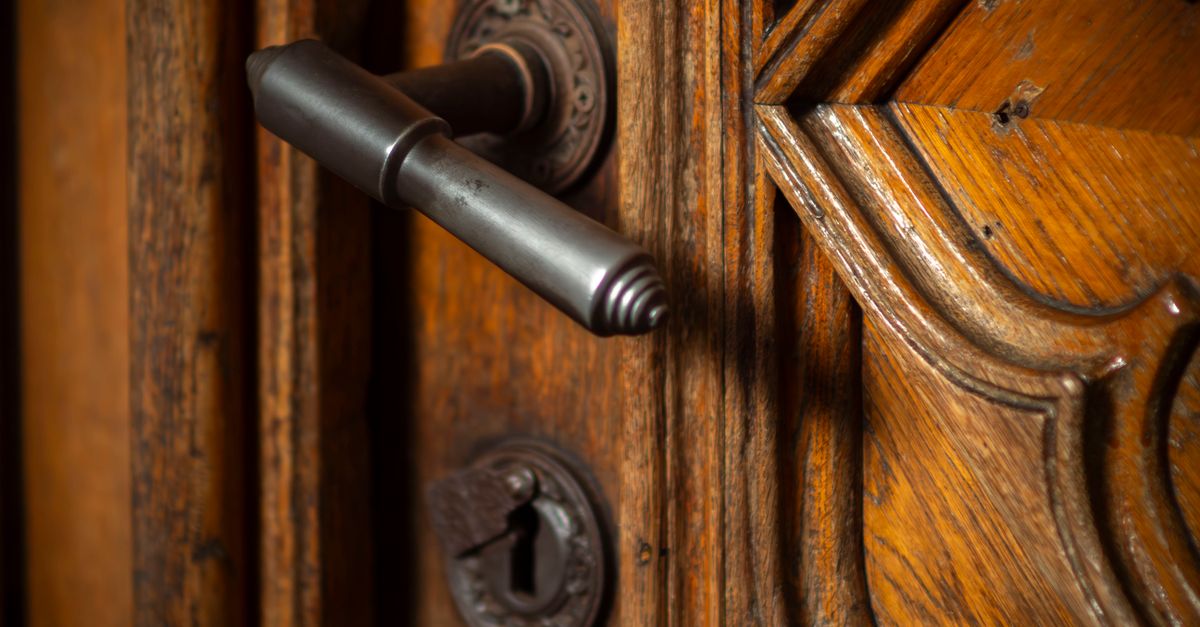
Grade 1 also matters if your home has a mortise lock setup. A mortise lock — the kind recessed into a pocket cut into the door's edge — is inherently stronger than a bored cylindrical lock because of how the hardware integrates with the door's structure. Many older Toronto homes and most commercial properties already have mortise lock hardware installed. If you're upgrading, a Grade 1 mortise lock combined with a solid wood or steel door is one of the most secure residential setups available. Our team at Toronto Iron Key Locksmith installs and services mortise lock hardware across the city — if you're unsure whether your current door is mortise-ready or needs modifications, call us at (437) 476-8426 and we'll come assess it.
## Grade 2 Deadbolts: The Practical Middle Ground for Most Toronto Households
Grade 2 deadbolts are where the majority of Toronto homeowners land — and for good reason. They meet the security needs of most interior building doors, secondary entry points like a side door or back door, and rental units where the landlord is trying to balance real protection with practical costs. If you live in a mid-rise condo building on Yonge Street or in a townhouse complex near Sheppard and Leslie, your unit door is a secondary perimeter — the building's front entry is the first line of defense. In those cases, a Grade 2 deadbolt is appropriate and sensible.
Grade 2 hardware is also a reasonable choice for doors that aren't at direct street level — think a second-floor apartment in a converted Victorian home in Roncesvalles, where a would-be intruder has to get past a shared front door and up a stairwell first. The layered security the building provides does part of the job. Where Grade 2 falls short is on a ground-floor unit with direct exterior access, or any door that is the sole barrier between the outside world and your home. In those scenarios, stepping up to Grade 1 is worth it. If you're replacing a basic door knob lock on a secondary door and want to know whether to pair it with a Grade 1 or Grade 2 deadbolt, a quick call to our team is the fastest way to get a clear, honest answer for your specific situation.
## Grade 3 Deadbolts: What They're Good For (and Where to Avoid Them)
Grade 3 deadbolts aren't worthless — they just have a very narrow appropriate use case. Storage rooms inside a home, interior workshop doors, and low-traffic secondary closures where the goal is privacy rather than security are the practical sweet spots. They're also common in new construction as builder-grade hardware, installed to meet minimum code, and many Toronto homeowners don't realize they've been living with Grade 3 locks on their front door since move-in. If your home is more than ten years old and you've never upgraded the deadbolt, there's a reasonable chance this describes your situation.
The clearest way to know you have a Grade 3 deadbolt is to check the bolt throw: if it extends less than a full inch, or if the lock feels noticeably light and the housing flexes slightly when you grip it, it's likely Grade 3 or an ungraded import with no rating at all. Unrated locks — often sold at deep-discount retailers — have no standardized testing behind them. For a Toronto emergency locksmith call where we arrive to assess a compromised door, Grade 3 or unrated locks are frequently what we find on forced-entry jobs. Upgrading before something happens is always the better path.
## Mortise Locks, Strike Plates, and the Other Half of the Security Equation
A deadbolt grade only tells half the story. The other half is how the lock interacts with the door, the frame, and the strike plate. Toronto has a significant stock of older housing — Victorian-era detached homes near Roncesvalles, Edwardian brick semis in East York, post-war bungalows in Scarborough — and many of these doors have frames that have settled, swelled, or been patched over the decades. A Grade 1 lock in a deteriorating frame is only as strong as the weakest point, which is usually the strike plate screwed into soft wood with half-inch hardware-store screws. Replacing those with three-inch screws that reach the structural stud converts a frame from a liability into a real asset.
Mortise lock systems solve this problem differently. Because a mortise lock is recessed into the door itself rather than surface-mounted, the hardware distributes force across a much larger contact area. This is why commercial locksmith work — securing office buildings, retail storefronts, and multi-unit residential entrances along corridors like Bloor West or King Street East — almost always involves mortise lock hardware rather than bored cylindrical locks. If you're managing a commercial property or a multi-unit building in Toronto and your door hardware is original to the building, a professional assessment of your mortise lock condition is genuinely important maintenance, not an upsell. Our team handles commercial locksmith work throughout the city, from single-unit business doors to full building re-keying. For anything urgent — a broken lock, a door that won't secure after a break-in attempt, or a situation where you need an emergency locksmith at 2 a.m. — we're available around the clock. Call (437) 476-8426 any time.
## Choosing the Right Grade: A Simple Framework for Toronto Homeowners
Here's a practical decision framework you can apply to every door in your home. First, identify the exposure: is this door directly accessible from outside without passing through another secured door first? If yes, start at Grade 1. If it's a secondary door protected by a building entry or an interior door, Grade 2 is usually appropriate. Second, consider the door and frame condition. Even a Grade 1 deadbolt won't perform to spec if it's installed in a hollow-core door or a frame that moves when you push it — those structural issues need to be addressed at the same time. Third, check whether your door is mortise-ready or bored. Many Toronto homes have doors that were originally fitted for mortise lock hardware, and reinstalling a cylindrical lock in that setup means filling the mortise pocket and potentially weakening the door edge. A skilled locksmith will tell you which path makes sense before any work begins.
Finally, consider the full hardware set: your deadbolt works alongside your door knob lock or lever handle, not independently of it. A Grade 1 deadbolt paired with a Grade 3 door knob lock is only as secure as the knob — a separate point of attack. Matching the grade level across all hardware on the same door is the most consistent approach. When you call us for a lock installation or upgrade, we confirm an exact price up front before any work starts — the final quote depends on the lock grade you choose, the door type, any parts needed, and whether the call is during regular hours or overnight. There are no surprises when the job is done.
## Services We Provide Across the Toronto Area
Toronto Iron Key Locksmith is a 24/7 mobile service covering the full Toronto area, and our work spans far beyond simple lock changes. Our team handles: residential deadbolt installation and upgrade (all ANSI grades), mortise lock installation and repair, mortise lock re-keying, door knob lock replacement, smart lock installation and programming, high-security cylinder upgrades, master key system design, apartment and condo unit re-keying, full building re-key after tenant turnover, strike plate reinforcement and frame repair, locked-out home entry (ownership-verified), locked-out apartment entry, key duplication (including restricted keyways), broken key extraction from cylinder or ignition, car lockout service, automotive key programming, transponder key cutting, key fob replacement and programming, ignition lock cylinder repair, trunk lockout service, commercial lock installation, commercial locksmith re-keying, office master key systems, storefront lock hardware assessment, emergency locksmith response (24/7, including holidays), lock replacement after break-in or attempted forced entry, padlock and gate lock installation, garage door lock service, and mailbox lock replacement.
Frequently asked questions
What deadbolt grade do I actually need for a Toronto front door?+
For any door that opens directly to the outside — a front door, a ground-floor unit door, or a back door with exterior access — Grade 1 is the right starting point. It's the standard that survives the most rigorous impact and cycle testing, and it's the grade most experienced locksmiths recommend for primary entry points regardless of the neighborhood. If your door is a secondary entry protected by a building's own secured entrance, Grade 2 is typically sufficient. Grade 3 should be reserved for interior doors where privacy, not security, is the goal.
Is a mortise lock better than a regular deadbolt for a Toronto home?+
Mortise locks and deadbolts serve slightly different purposes and aren't always direct comparisons. A mortise lock is a type of lock mechanism that sits inside a pocket cut into the door edge, integrating the latch and deadbolt function into a single unit. Because of how the hardware is anchored in the door, a properly installed mortise lock distributes force more effectively than a surface-bored cylindrical deadbolt — making it inherently more resistant to kick-in attacks. Many older Toronto homes already have mortise-ready doors from original construction. If your door is set up for it, a high-quality mortise lock at Grade 1 is one of the strongest residential hardware options available. A trained locksmith can assess whether your door is mortise-compatible before any work begins.
What happens if I call for an emergency locksmith at 3 a.m. — what affects the price?+
When you call for emergency locksmith service overnight, the final price depends on several factors: the type of lock or vehicle involved, the time of day, travel distance to your location, and any parts or hardware required to complete the job. We confirm an exact price up front before any work starts, so you know the full amount before we begin — no surprises on the invoice. To get a quote for your specific situation, call us at (437) 476-8426 and we'll give you a clear answer immediately.
How do I know if my current deadbolt is Grade 1, 2, or 3?+
The most reliable method is to look for the ANSI/BHMA grade marking on the lock's packaging or the lock body itself — it's sometimes stamped on the interior housing. If that's not visible, check the bolt throw: a full one-inch throw on a solid metal bolt is a good indicator of Grade 1 or 2 hardware. A bolt that feels light, has visible flex in the housing, or extends less than a full inch is likely Grade 3 or unrated. If your lock came with a new home build or was installed by a previous owner and you're genuinely unsure, our team can assess it on-site and tell you exactly what you have and whether an upgrade makes sense. Homes in Toronto's older stock — particularly pre-1980 construction in areas like East York and the Annex — frequently have original hardware that hasn't been evaluated in years.