Toronto Iron Key Locksmith Service Team
Local locksmith team
Jun 18, 2026 11 min read
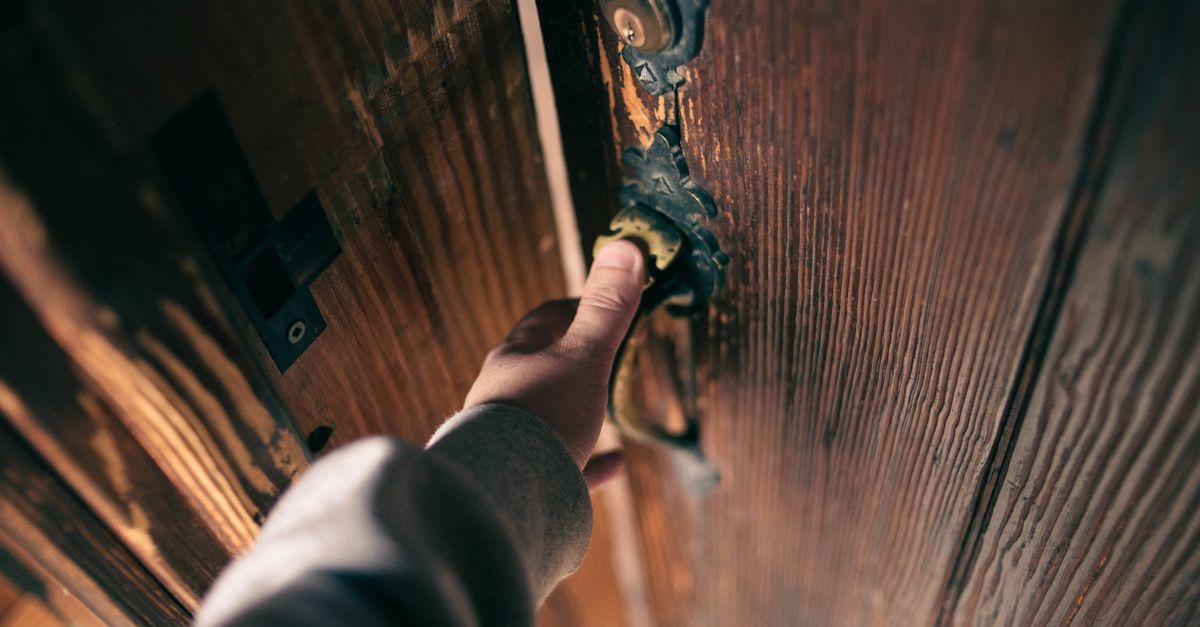
If you've ever stepped out onto a Toronto porch on a January morning — maybe near Danforth Avenue or down in Leslieville — and found your door knob lock completely frozen solid, you already know that sinking feeling. The key goes in but won't turn. Or worse, it won't go in at all. Toronto's freeze-thaw cycle is uniquely punishing: temperatures swing from –20°C overnight to just above zero by afternoon, and that repeated freezing and thawing pushes moisture deep into lock cylinders, eventually turning a simple door knob with lock and key into a block of ice.
This guide walks you through exactly what to do when it happens, how to prevent it from happening again, and when the smartest call you can make is to a professional locksmith — because sometimes a frozen lock is a symptom of a bigger mechanical problem that no amount of WD-40 will fix.
## Why Toronto Winters Are So Hard on a Door Knob Lock
Toronto sits in a climate band that meteorologists describe as 'humid continental' — which, in practical terms, means your locks experience the worst of both worlds. Moisture from lake-effect humidity seeps into the keyway and internal pins of any door knob lock during warmer spells, then freezes solid when the temperature drops overnight. Neighbourhoods like the Beach, Riverdale, and the lower Annex — all close to Lake Ontario or the Don Valley ravine system — tend to see this problem more acutely because the humidity stays higher even in winter. Unlike a dry Prairie cold snap where everything freezes cleanly, Toronto's fluctuating temperatures mean water expands, contracts, and re-expands inside the lock mechanism repeatedly, wearing down springs, binding pins, and in older homes, cracking the internal cam of a mortise lock or knob lock assembly.
The most common culprits are keyway icing (moisture freezing directly around the key pins), latch icing (the spring-loaded bolt freezing in the extended position so the door can't move), and cylinder seizing (the plug itself freezing inside the shell). Each of these needs a slightly different fix, and misidentifying them — or using the wrong product — can cause permanent damage to a quality lock door knob assembly or the door hardware around it.
## Step-by-Step: Thawing a Frozen Door Knob Lock Safely
Before you force anything, take sixty seconds to diagnose. Does the key slide in freely but refuse to turn? That's almost always frozen pins — the cylinder is seized. Does the key not enter at all? Ice has likely blocked the keyway itself. Does the key turn but the door won't budge? The latch bolt or deadbolt (if you have one) is frozen into the strike plate. Knowing which of these you're dealing with changes your approach entirely. Here are the safest, hardware-respecting methods to try: Graphite powder or lock de-icer spray: These are your first-line tools. A dry graphite lubricant works by coating the pins and plug so ice can't grip them. A purpose-made lock de-icer (available at most Toronto hardware stores on Queen West or at any Canadian Tire) uses an alcohol-based formula that melts ice without leaving a residue that re-freezes. Apply it directly into the keyway, wait 30 seconds, then gently try the key with light turning pressure — not force. Hand warmth: For a frozen keyway, hold your key in your closed fist for 30–45 seconds before inserting it. The heat transfers into the metal and can melt a thin ice film inside the cylinder. Similarly, pressing a hand warmer pack (the kind hikers use) against the face of the door knob with lock for 60–90 seconds can free a lightly frozen plug. Warm air (carefully): A hair dryer on low-to-medium heat, held 10–15 cm from the lock face, works well. Keep it moving — don't concentrate heat on one spot, and never use an open flame (lighter, torch) near a lock. The metal conducts heat unevenly and you risk cracking a plastic knob housing or warping the strike plate. What NOT to do: Avoid pouring boiling water on any exterior lock — the rapid temperature change can crack the cylinder housing, and the water will refreeze immediately in sub-zero air. Never spray WD-40 into a lock cylinder; it's a water displacer, not a lubricant, and it leaves an oily residue that traps dirt and causes pin binding in warmer months.
If none of these methods free the lock within two or three careful attempts, stop. Continued force can shear a key inside the cylinder, break a pin spring, or damage the cam that operates the latch — at that point, you're no longer dealing with a frozen lock, you're dealing with a broken one. That's exactly when to call our team at Toronto Iron Key Locksmith: (437) 476-8426. We're mobile and available around the clock, and we carry the tools and parts to service a seized knob lock, re-key a damaged cylinder, or replace a mortise lock assembly on the spot.
## Mortise Lock vs. Door Knob Lock: Which Handles Toronto Winters Better?
Most Toronto homes built before the 1960s — think the century-row houses in Cabbagetown, the semis off Bloor West Village, or older detached homes in Weston — were fitted with mortise locks rather than cylindrical knob lock sets. A mortise lock is a rectangular unit that fits inside a pocket (the 'mortise') cut into the door edge. It contains the latch bolt, deadbolt, and sometimes a nightlatch all in one case. Because the cylinder sits recessed and the internal workings are housed inside the door itself, mortise locks are somewhat better protected from direct moisture exposure at the face — but they are not immune to Toronto winters. The cylinder still protrudes, the keyway still collects condensation, and the lever or knob trim that operates the latch can seize just as easily.
What makes mortise locks more demanding is that when they do fail — whether from weather, wear, or a broken case — the repair requires genuine expertise. A mortise lock isn't a drop-in replacement the way a standard knob lock set is. The case dimensions, the spindle size, the backset, and the door thickness all need to match. Our locksmiths carry a range of quality mortise lock cases and trim sets and can assess on-site whether your existing case needs servicing, re-keying, or full replacement. If you're in an older Toronto home and your door knob with lock has been feeling stiff or sluggish going into winter, a mortise lock inspection before the deep freeze is money well spent — reach out to us at (437) 476-8426 and we'll walk you through what the service involves before any work begins.
## Prevention: Keeping Your Lock Door Knob Working All Winter
The best time to winterize your locks is October — before the first hard freeze. The following steps take under 30 minutes per exterior door and can save you from a lockout in February: 1. Lubricate the cylinder: Use a dry graphite spray or a PTFE-based lock lubricant (not WD-40). Insert the straw nozzle directly into the keyway, give two short bursts, then insert and rotate your key several times to distribute the lubricant across the pins and plug. Do this at the start of November and again in January. 2. Check your weatherstripping and door seal: A well-sealed door keeps moisture away from the lock hardware. If cold air (or water) is getting in around the door frame, it's pooling right at the lock knob. Replace torn weatherstripping on the bottom sweep and the door stop before winter sets in. 3. Apply a lock cover or keyhole cover: These are small magnetic or spring-loaded flaps that cover the keyway when the key isn't in use. They cost very little and dramatically reduce how much moisture, sleet, and freezing rain reach the cylinder directly. 4. Consider a door knob with lock upgrade: If your existing hardware is more than 10–15 years old, the internal springs may already be weakened. A fresh Schlage or Kwikset knob lock set — or a properly fitted mortise lock for older door profiles — will give you tighter tolerances and a cylinder that handles lubrication more effectively. 5. Keep a spare key inside: If you have a trusted neighbor or family member nearby (the kind of arrangement common in close Toronto neighborhoods like Little Portugal or Danforth Village), leave a spare key with them. It won't prevent the lock from freezing, but it may save you a lockout call on the coldest night of the year.
For commercial properties — storefronts on Yonge Street, offices in the Financial District, or warehouse doors in Etobicoke — the same winterization logic applies at larger scale. Commercial door hardware faces even more abuse: delivery traffic, high-frequency use, and heavier door weights that stress the latch mechanism. Our commercial locksmith services include scheduled preventive maintenance, master key system checks, and mortise lock servicing for commercial-grade doors. If you manage a building or multi-unit property, talk to us about a winter maintenance visit before the season peaks.
## When It's Time to Call an Emergency Locksmith
There are scenarios where DIY thawing simply isn't the right answer — and recognizing them quickly can save you significant damage and expense. Call an emergency locksmith immediately if: your key has broken off inside the cylinder; the lock turns but the latch won't retract (possible frozen or broken mortise lock case); you've been locked out and have no secondary entrance or spare key; or the door itself has shifted in its frame (common in older Toronto homes where wooden frames swell and heave in freeze-thaw cycles) and the door knob with lock and key no longer aligns with the strike plate.
Toronto Iron Key Locksmith operates 24 hours a day, 7 days a week — including during snowstorms, ice storms, and those miserable mixed-precipitation nights that Toronto is famous for. We're a mobile locksmith team, which means we come to you: whether that's a house in North York at 2 a.m., a condo entrance in Liberty Village on a Sunday morning, or a rental property in Scarborough. The price you pay is based on factors including the type of lock hardware involved, the time of day, the travel distance to your location, and whether parts are needed — and we confirm an exact price upfront before any work begins. No surprises. Call (437) 476-8426 anytime — our team answers 24/7.
Frequently asked questions
Can I use hand sanitizer to unfreeze a door knob lock?+
In a genuine emergency, hand sanitizer can work — it contains ethanol or isopropyl alcohol, which lowers the freezing point of water and can melt light ice in the keyway. Apply a small amount to the key itself and gently insert it, or use a few drops directly into the keyway. It's not ideal as a regular solution because the gel formula can leave a sticky residue inside the cylinder that attracts grit over time. A proper alcohol-based lock de-icer spray is a better long-term tool to keep on hand.
My door knob lock turns but the door still won't open — is the lock broken?+
Not necessarily. In Toronto winters, the most common cause is a frozen latch bolt: the spring-loaded tongue that extends into the strike plate has iced in place and won't retract even when the cylinder turns. Try applying a hair dryer or hand warmer along the edge of the door where the latch sits. If that doesn't free it within a few minutes, the latch mechanism may be damaged or the door frame may have shifted — both of which need a locksmith assessment. A stuck mortise lock case can also cause this symptom, as the internal linkage between the knob and the latch bolt can ice or break independently of the cylinder.
How do I know if my frozen lock has been damaged and needs replacing?+
Key signs that a lock has been permanently damaged by freezing include: the key feels gritty or scratchy when turning even after warming; the knob spins freely without retracting the latch (broken cam or tailpiece); you can see cracks or deformation in the face of the cylinder; or the lock has seized and cannot be freed by any thawing method. If you're in any doubt, our team can inspect the lock and tell you on-the-spot whether a re-key, a cylinder replacement, or a full new lock set is the right call — and we'll give you an exact quote before touching anything.
Does Toronto Iron Key Locksmith handle commercial door locks too, not just homes?+
Yes — our commercial locksmith services cover storefronts, offices, multi-unit residential buildings, warehouses, and any commercial property in the Toronto area. We service and replace mortise lock systems, commercial-grade cylindrical locks, panic hardware, and high-security cylinders. Winter maintenance visits for commercial properties are available, and we're on call 24/7 for emergency commercial lockouts as well. Call us at (437) 476-8426 to discuss your property's specific hardware.