Toronto Iron Key Locksmith Service Team
Local locksmith team
Aug 14, 2026 12 min read
If you live in a Toronto home with a sliding patio door — whether it opens onto a backyard deck in Etobicoke, a condo terrace in Liberty Village, or a sunroom off the kitchen in Scarborough — there is a good chance that door is held shut by nothing more than a small hook-style latch that any determined intruder could defeat in seconds. That thin metal tab was designed to keep the door from blowing open in a Lake Ontario wind gust, not to stop a break-in. Toronto locksmiths see the result regularly: forced sliding door entries are one of the most common residential break-in methods in the city, and in almost every case the homeowner had no idea how vulnerable they were.
The good news is that upgrading a sliding door from flimsy to genuinely secure is a straightforward job when you know what hardware actually works. This guide walks you through the layered approach a professional locksmith recommends — from the right lock cylinder and mortise lock body, to secondary bars and sensor alarms — so you can decide what level of protection fits your home and budget. If you want the work done right the first time, our team at Toronto Iron Key Locksmith is available around the clock at (437) 476-8426.
## Why the Standard Sliding Door Latch Fails (and What Burglars Already Know)
Most sliding patio doors ship with a latch that engages a small metal strike recessed into the door frame. The problem is threefold. First, the latch itself is made of lightweight zinc alloy that can shear with a firm kick or a flat pry bar. Second, the aluminum or vinyl frame surrounding it offers almost no resistance — the screw holes for the strike are often just biting into hollow extrusions. Third, even a locked sliding door can sometimes be lifted slightly off its bottom track and popped free of the frame entirely, because the track-to-door gap is large enough to allow vertical play. None of this is obscure information; it circulates freely online and among people who do not have good intentions. Homeowners are usually the last to learn it.
The fix is not complicated, but it is multi-layered. No single product turns a sliding door into a vault. What you want is a combination of a proper lock mechanism, a secondary blocking device, and ideally a sensor — so that even if one layer is defeated, the next one slows an intruder down long enough to matter. The sections below cover each layer in order of priority.
## Sliding Door Lock Replacement: Start With a Mortise Lock Upgrade
The single most effective hardware upgrade for a sliding patio door is a sliding door lock replacement that moves away from the hook latch and installs a proper mortise lock body in the door stile. A mortise lock sits inside a pocket (the mortise) cut into the edge of the door — rather than being surface-mounted — which means the lock mechanism is protected by the door material itself and the bolt extends much deeper into the frame. Mortise lock hardware is the standard on quality commercial and European-style doors for exactly this reason: the bolt engagement is longer, the body is hardened steel, and the strike plate can be anchored with three-inch screws that reach the structural framing behind the door jamb rather than just biting into the trim.
When a locksmith performs a sliding door lock replacement, they will assess the door stile width (thinner aluminum doors have less room for a mortise pocket than solid wood or fiberglass doors), choose a lock body rated for sliding door geometry, and install a reinforced strike box rather than the thin stamped-metal original. The result is a lock that requires genuine force to defeat rather than a casual shove. Pricing for this work depends on the door material, the specific mortise lock model selected, your location in the Toronto area, and the time of service — our team confirms the exact cost up front before any work begins, so there are no surprises.
## Secondary Security: Door Bars, Anti-Lift Pins, and the Charlie Bar
Even a quality mortise lock is more effective when paired with a secondary blocking device, because it gives you redundancy — if somehow the lock cylinder is compromised, the door still cannot be slid open. The oldest and most reliable secondary device is a cut-down wooden or aluminum rod laid in the bottom track. It prevents the panel from sliding even if the lock is defeated. Modern versions of this concept, sometimes called a Charlie bar or track blocker, are adjustable steel bars that mount to the frame and fold down across the door — faster to remove when you want to go outside, and harder to dislodge from the outside than a loose rod.
The second vulnerability — lifting the door off the track — is addressed with anti-lift pins or anti-lift blocks. These are hardened pins or brackets installed in the top track channel that prevent the panel from being raised more than a few millimetres. They are inexpensive, take about twenty minutes to install, and eliminate what is otherwise a surprisingly easy bypass method. If your door has adjustable roller feet on the bottom, make sure they are set so the door sits flush in the track with minimal vertical play — a locksmith or experienced handyperson can tune this during the same service call as a lock upgrade.
## Door Knob Lock, Keypad, and Smart Lock Options for Secondary Entry Points
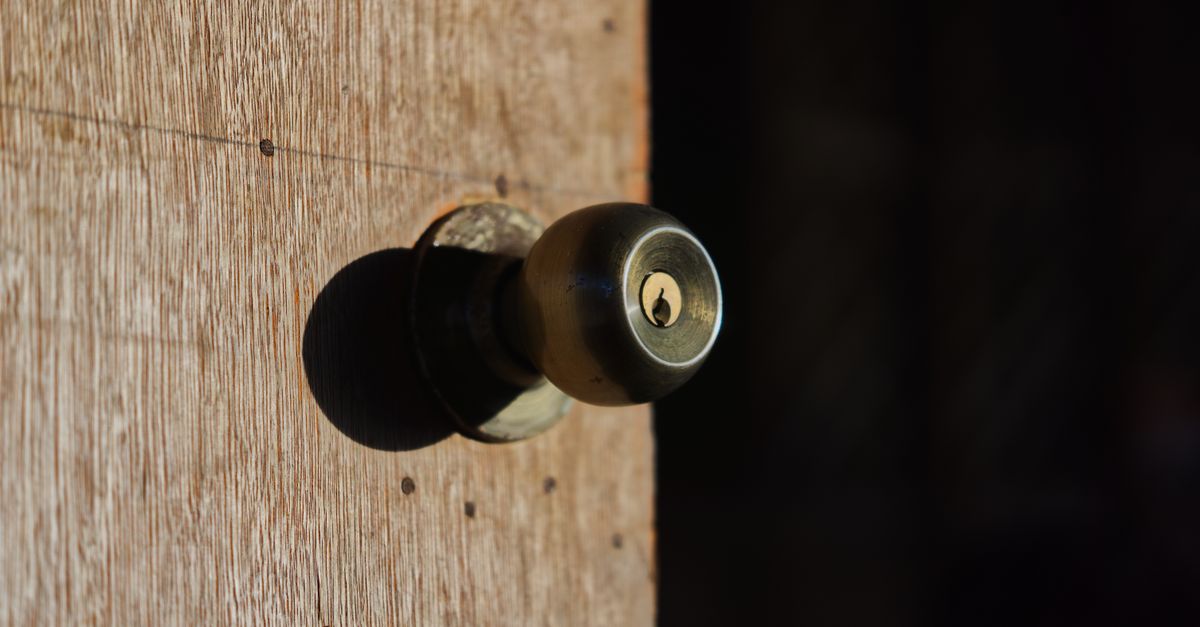
Sliding patio doors are the headline vulnerability, but nearby secondary doors deserve attention too. Many Toronto homes have a door knob lock on a side entry, garden door, or utility access point adjacent to the patio — and a standard door knob lock offers only spring-latch security, which is easier to bypass than most people realize. Swapping a door knob lock for a deadbolt, or adding a deadbolt above an existing knob, dramatically improves resistance on these secondary entry points without requiring major carpentry work.
For homeowners who want keyless access — useful if you have family members, a dog walker, or a cleaning service coming and going — a keypad door lock is a practical option. If you already have one and want to update who has access, knowing how to change the code on a keypad door lock is essential: most keypad models require you to enter a programming code (often printed inside the battery compartment or in the original manual), then follow a short button sequence to set a new user code. If you have misplaced those instructions or need to change the code on a door lock that is already installed and the programming code is unknown, a trained locksmith can reset the unit or, if the lock is older, replace it with a current model. Similarly, if you want to know how to change a door lock cylinder outright — swapping the existing keyed cylinder for a new one, or rekeying a lock so old keys no longer work — a locksmith can do this quickly during a standard service visit. Rekeying, in particular, is worth doing any time you move into a new Toronto home or lose a key set, because you cannot know how many copies of the original key exist.
## What a Toronto Locksmith Actually Recommends: A Complete Sliding Door Security Checklist
Here is the layered approach our team recommends for sliding patio doors in Toronto homes, in priority order. First, inspect the existing latch and frame — look for wobble, rust, or stripped screws in the strike area; these are immediate red flags. Second, arrange a sliding door lock replacement if the current hardware is a basic hook latch, upgrading to a mortise lock body with a reinforced steel strike plate anchored into the structural framing. Third, install a track bar or Charlie bar as a secondary blocking device. Fourth, add anti-lift pins in the top track channel. Fifth, if the door is in a lower-visibility area of the yard — facing a lane or a shared fence in a dense Toronto neighbourhood like Leslieville or the Junction — consider a glass break sensor or a door contact alarm as an early-warning layer. None of these steps are expensive relative to the cost of a break-in claim, and most can be completed in a single visit by an experienced locksmith.
If you also want to know how to rekey a lock on your front or side entry at the same time — which many homeowners do during a patio door security upgrade — our team can handle both in one call. Rekeying reconfigures the internal pin tumblers so only a new key operates the lock, without replacing the entire hardware. It is faster and more economical than a full hardware swap when the existing deadbolt is in good condition. Whether you need a mortise lock installation, a sliding door lock replacement, a keypad reset, or a full re-key, call Toronto Iron Key Locksmith at (437) 476-8426 — we are mobile, insured, and available 24 hours a day, seven days a week across Toronto and the surrounding area.
## When to Call an Emergency Locksmith vs. When to DIY
Some of the items in the checklist above — placing a track bar, adjusting roller feet, adding a simple door sensor — are genuine DIY tasks for a reasonably handy homeowner. The hardware is available at most Toronto home improvement stores, and the installation is straightforward if you are comfortable with a drill and a measuring tape. However, cutting a mortise pocket into an existing door stile, fitting a new lock cylinder to match specific keyways, or troubleshooting why a sliding door is misaligned and binding against the frame are jobs where errors are costly. A mortise cut that is even slightly off in depth or width will cause the lock to bind or fail to latch cleanly, and a strike plate installed without reaching structural backing offers no real resistance.
An emergency locksmith call makes sense any time security has been compromised — a broken lock after a break-in attempt, a door that will no longer latch after a forced entry, or a lock cylinder that has been visibly tampered with. Our team operates as both a residential and commercial locksmith service, so whether you need a single patio door secured or a full property assessment covering multiple entry points, we can help. We serve the whole Toronto area, from the lakeshore communities in the west end to Scarborough in the east, and our mobile units carry common mortise lock and sliding door hardware so most jobs are completed in a single visit without a return trip for parts. For non-emergency upgrades, we recommend scheduling during daylight hours when the assessment is easiest — but if something goes wrong at midnight, we answer at (437) 476-8426 just the same.
Frequently asked questions
Can I just use a how to pick a lock door knob technique to get back in if I lock myself out of the patio door?+
We understand the temptation when you are locked out, but attempting to pick or bypass a lock yourself — even a door knob lock or a sliding latch — carries real risks: you can damage the cylinder, break the latch mechanism, or create a situation that costs more to repair than the original lockout would have. The safe, practical steps are to check for a spare key with a neighbour or family member, see if another entry point is unlocked, and if neither works, call a professional locksmith who can verify ownership and open the door without damage. Toronto Iron Key Locksmith handles residential lockouts around the clock — call (437) 476-8426 and we will get you back inside safely.
How do I change the code on a keypad door lock if I do not have the original programming code?+
If you need to change the code on a door lock and the programming code is lost or unknown, the process depends on the specific keypad model. Many brands — including Schlage and Kwikset — have a master reset procedure that involves removing the battery pack and holding a reset button, which restores the factory default programming code printed in the manual. Without the manual, finding the right sequence can be frustrating and varies by model. A trained locksmith can identify the unit, attempt the factory reset, and if that is not possible, replace the keypad module with a current model and program it fresh. We confirm the exact cost before starting any work, based on the lock model, parts required, and your location in the Toronto area.
What is the difference between rekeying a lock and a full sliding door lock replacement — and which do I need?+
Rekeying (sometimes searched as how to rekey a lock) changes the internal pin configuration of an existing lock cylinder so that new keys work and old ones do not. It is the right choice when your hardware is in good mechanical condition and you simply want to control who has access — after moving into a home, after a tenant moves out, or after losing a key. A full sliding door lock replacement makes more sense when the existing lock mechanism is worn, damaged, or is a basic latch that does not meet modern security standards — which describes most factory-installed sliding patio door latches. If your current latch is a simple hook or wafer-style mechanism, rekeying it will not make it significantly more resistant to forced entry; what you need is a mortise lock upgrade with a reinforced strike. Our team can assess which option fits your door and your security goals during the same visit.
Does Toronto Iron Key Locksmith handle commercial sliding door security as well as residential?+
Yes — our commercial locksmith work includes sliding and folding storefront door hardware, mortise lock installation on commercial-grade aluminum frame doors, keypad and access control integration, and master key system planning for businesses that need tiered access across multiple entry points. Commercial doors typically require heavier-duty mortise lock hardware rated for higher cycle counts, and the frame anchoring requirements are different from residential work. Whether you operate a retail space on Danforth Avenue or a warehouse in the Toronto east end, our team carries commercial-grade hardware and can assess your specific door configuration on-site. Call (437) 476-8426 to arrange a visit.